
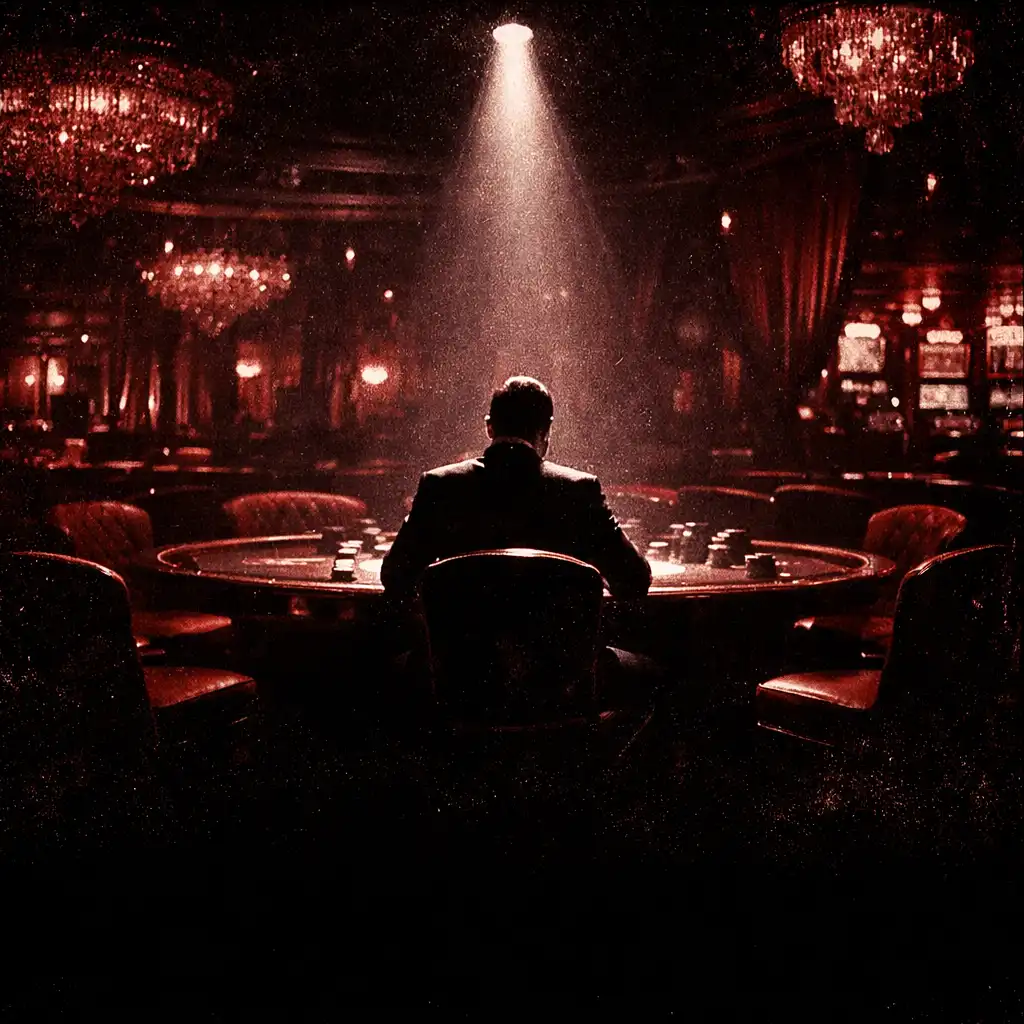
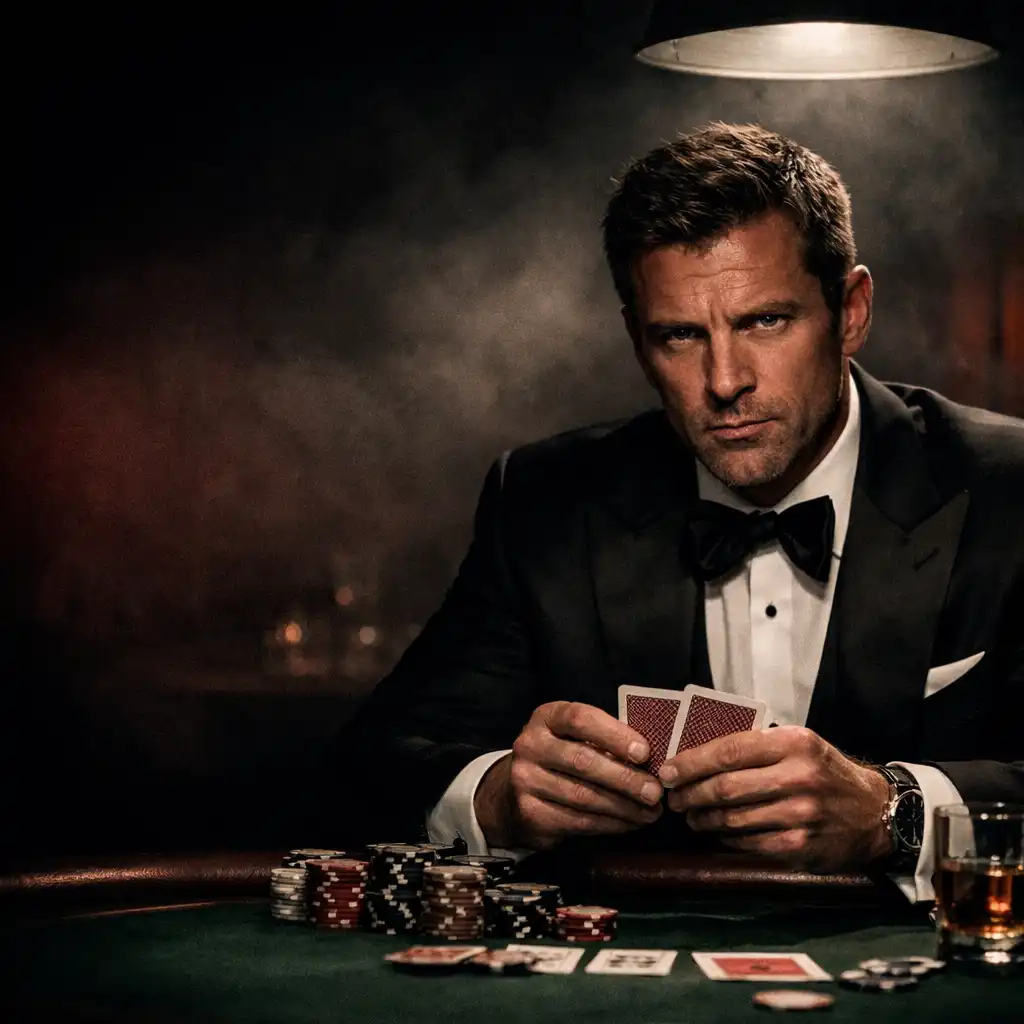
Casino Royale
A gritty reboot that redefined Bond for a new era, featuring high-stakes poker and intense character drama. Daniel Craig's raw performance anchors a story of trust, betrayal, and emotional consequence.
Movie Reviews
Explore in-depth critiques of films that capture the glamour, tension, and drama of casinos, poker, and roulette.
Our reviews go beyond plot summaries to examine the cinematic techniques, character motivations, and thematic depth of casino films. Reel Companion is an Australian-facing informational website that treats these movies as works of storytelling and visual craft. We explore how directors use lighting, pacing, and performance to create tension around a poker table or a roulette wheel, and we consider what those moments reveal about risk, trust, and human nature.
"The best casino films are never really about the game. They are about the people who step up to the table and the choices they make when everything is on the line."
A gritty reboot that redefined Bond for a new era, featuring high-stakes poker and intense character drama. Daniel Craig's raw performance anchors a story of trust, betrayal, and emotional consequence.
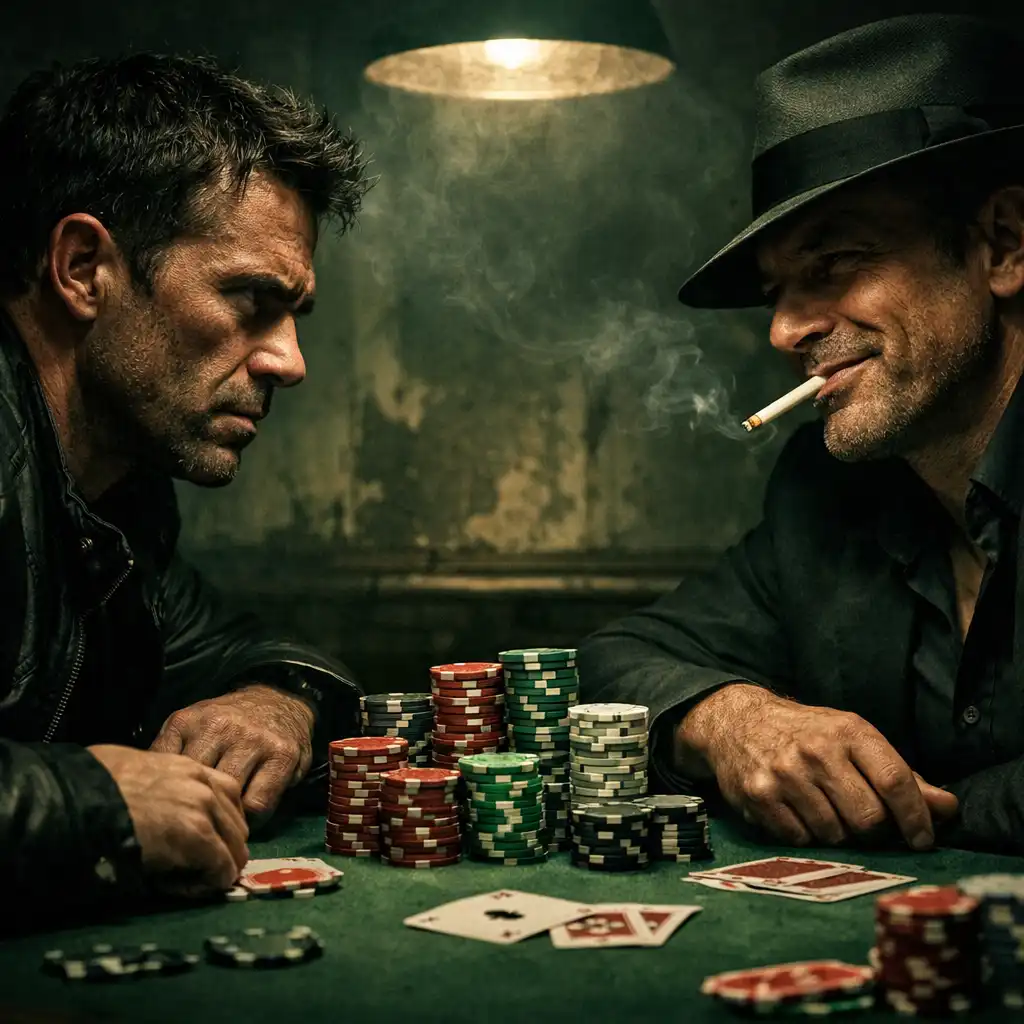
A cult classic that delves into the underground poker scene, exploring themes of addiction and redemption. Matt Damon and Edward Norton deliver a tense, morally complex portrait of friendship and risk.
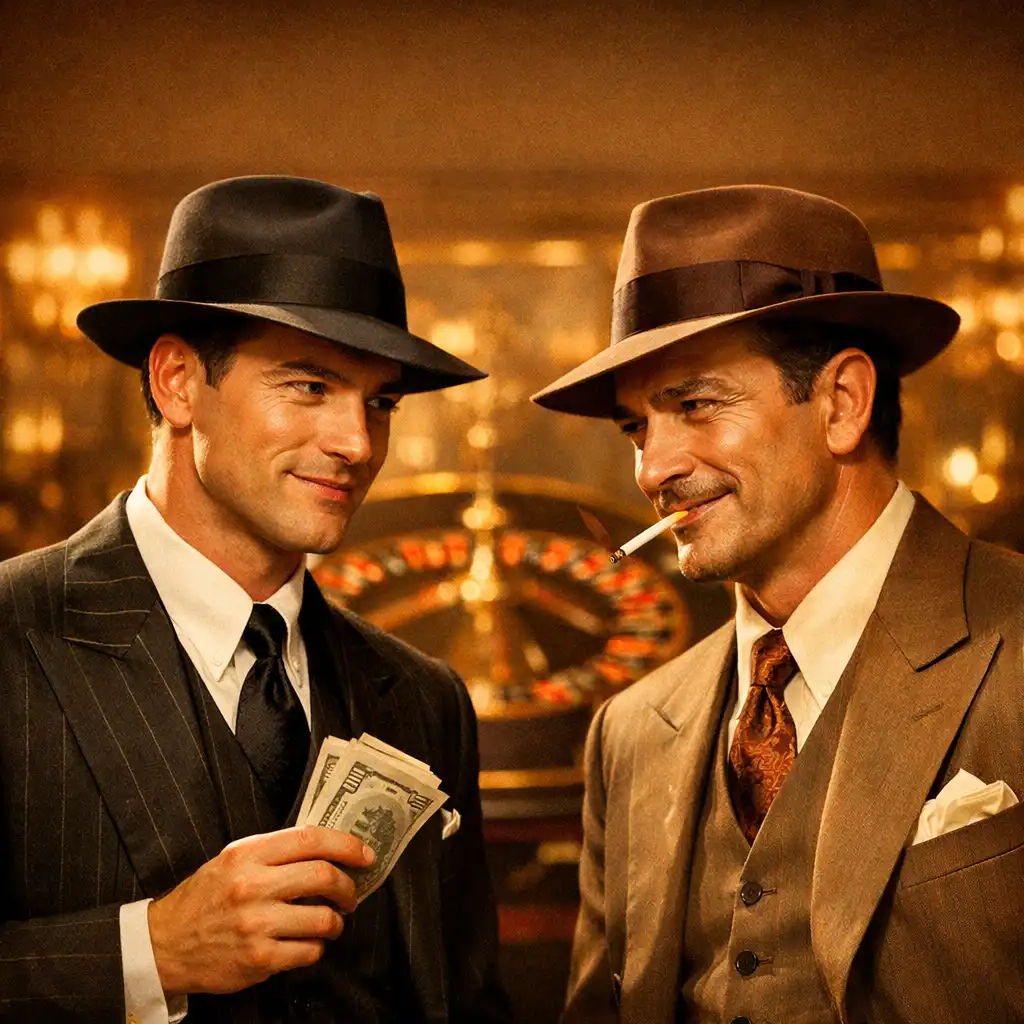
A stylish con-artist caper with a memorable poker scene, blending humor and suspense. Paul Newman and Robert Redford shine in a period piece that won seven Academy Awards.

as James Bond
A raw, intense portrayal of the iconic spy, stripped of polish and driven by duty.
as Vesper Lynd
Complex and enigmatic, Vesper becomes the emotional core of Bond's mission.
as Le Chiffre
A chilling villain whose desperation makes him unpredictable and dangerous.
as M
The sharp, uncompromising head of MI6 who questions Bond's methods.
The film opens with a brutal, black-and-white sequence that establishes Bond's lethal efficiency and emotional detachment.
Bond is sent to Montenegro to defeat Le Chiffre in a high-stakes Texas hold 'em tournament, cutting off the financier's funds.
Over several intense rounds, Bond reads his opponents, suffers setbacks, and ultimately outplays Le Chiffre at the final table.
Bond's romance with Vesper ends in heartbreak when her secret allegiance is revealed, reshaping his character for future films.
2006
Martin Campbell
Professional players advised on authentic card handling and strategy.
$150 million
Widely praised for reinventing the Bond franchise.
Casino Royale in Montenegro, a fictional setting.
Casino Royale strips away the gadgets and one-liners that had come to define James Bond, replacing them with a leaner, more vulnerable protagonist. Daniel Craig's Bond is a blunt instrument who learns that emotional investment can be as dangerous as any enemy. The poker tournament at the heart of the film is not merely a plot device; it becomes a psychological battlefield where every raise and call reveals character.
The film's visual style is deliberately cold and modern, with high-contrast lighting that echoes the noir tradition while feeling contemporary. The poker scenes are shot with a clarity that makes the game's tension accessible even to viewers who have never played Texas hold 'em. Each hand is framed as a duel of wits, with close-ups on eyes and fingers that communicate more than dialogue ever could.
"The real gamble in Casino Royale is not the money on the table, but the trust Bond places in Vesper Lynd."
What elevates Casino Royale beyond a standard action film is its willingness to let Bond fail and feel the consequences. The final scenes are quietly devastating, setting up a character arc that would define the Craig era. It remains a benchmark for how to reinvent a franchise without losing its essential appeal.

as Mike McDermott
A reformed gambler pulled back into the underground poker world by loyalty and circumstance.
as Worm
A reckless hustler whose charm masks a destructive inability to walk away from a game.
as Teddy KGB
A menacing poker player with a thick accent and a talent for psychological warfare.
as Jo
Mike's girlfriend, who represents the stable life he risks losing.
After losing his entire bankroll to Teddy KGB, Mike vows to quit poker and focus on law school.
Mike's childhood friend Worm is released from prison and immediately drags Mike back into high-stakes underground games.
Worm's cheating accumulates a dangerous debt, forcing Mike to play for his friend's life.
Mike faces Teddy KGB in a climactic heads-up poker match, using his skill and patience to win back everything.
1998
John Dahl
Poker scenes were praised for their realistic strategy and terminology.
Gained a devoted audience after its home video release.
Mixed reviews, later reappraised as a genre classic.
The tension between skill, luck, and self-destruction.
Rounders is often described as the film that taught a generation how to play poker, but its real strength lies in its moral complexity. Mike McDermott is not a hero in the traditional sense; he is a man caught between his talent for the game and his desire for a stable life. The film refuses to glamorize the underground poker scene, showing its grimy backrooms and desperate players alongside moments of genuine skill.
Matt Damon brings a quiet intensity to Mike, while Edward Norton's Worm is a live wire of charm and self-destruction. Their friendship is the film's emotional core, and the poker table becomes a stage where loyalty and betrayal play out in real time. The final heads-up match against Teddy KGB is a masterclass in tension, with every chip and glance carrying weight.
"In Rounders, the cards are never the point. The real game is whether Mike can save his friend without losing himself."
Visually, the film leans into a gritty, low-key aesthetic that suits its subject matter. The camera lingers on faces and hands, capturing the small tells that define poker. It is a film that rewards repeat viewing, revealing new layers of character and strategy each time.
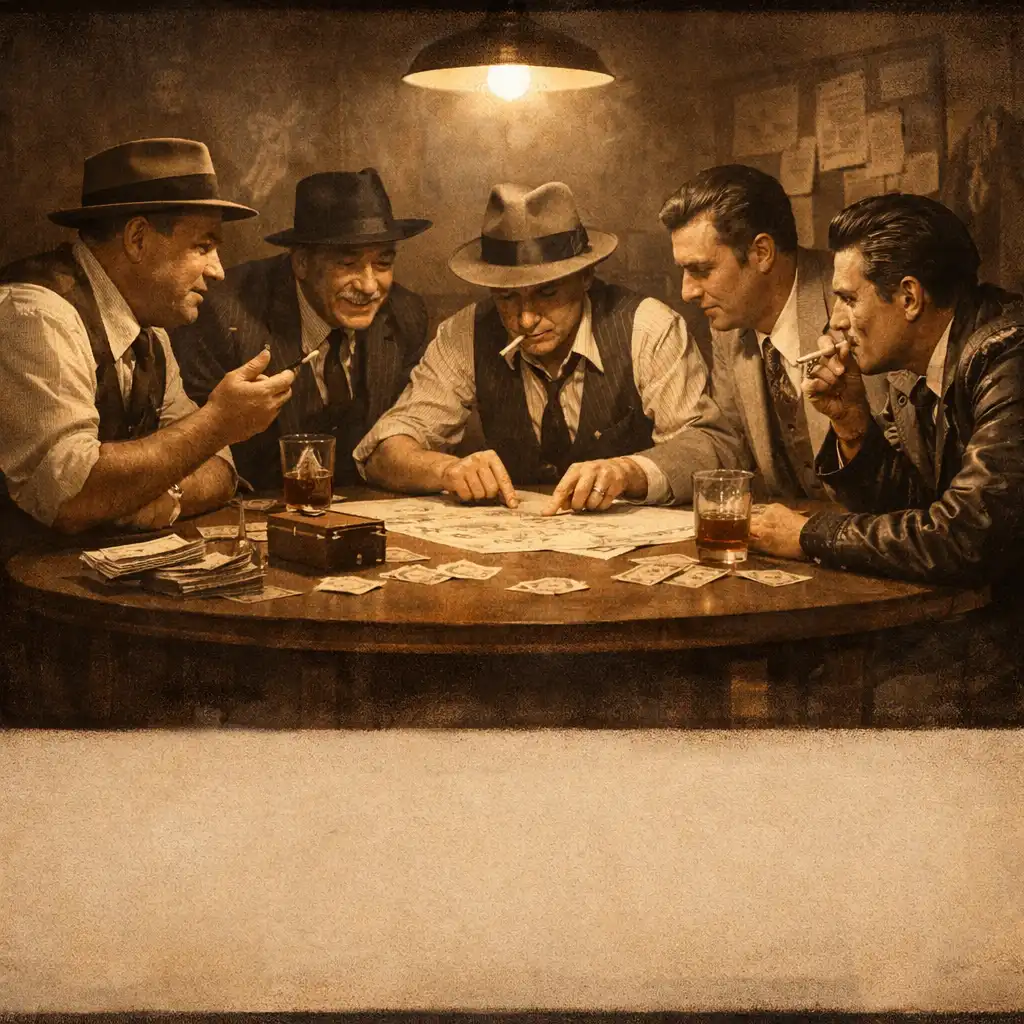
as Henry Gondorff
A master con artist with a calm, commanding presence and a taste for elaborate schemes.
as Johnny Hooker
A small-time grifter whose ambition and loyalty drive the con forward.
as Doyle Lonnegan
A ruthless gangster whose pride makes him the perfect target for the con.
as Lt. Snyder
A corrupt cop whose pursuit of Hooker adds another layer of complication.
After a friend is murdered by Doyle Lonnegan, Johnny Hooker seeks out Henry Gondorff to plan an elaborate revenge con.
The con men create a convincing off-track betting operation to lure Lonnegan into their scheme.
A pivotal scene where Gondorff humiliates Lonnegan in a rigged poker game, stoking his desire for revenge.
The final con unfolds with perfect timing, leaving Lonnegan defeated and the audience delighted by the twist.
1973
George Roy Hill
Won seven Oscars, including Best Picture.
Marvin Hamlisch's ragtime adaptation of Scott Joplin became a hit.
1930s Chicago, evoking the Great Depression era.
Considered a classic of the caper genre.
The Sting is a masterclass in narrative misdirection, a film that delights in its own cleverness without ever feeling smug. Paul Newman and Robert Redford share an easy chemistry that carries the film through its elaborate twists, while Robert Shaw's Lonnegan is a villain whose arrogance makes his downfall satisfying. The period setting is rendered with loving detail, from the fedoras to the smoky backrooms.
The poker scene on the train is a standout moment, using the game as a microcosm of the larger con. Gondorff's calm manipulation of Lonnegan is both funny and tense, and it sets the stage for the film's famous double-cross. The ragtime score gives the film a buoyant energy that contrasts with the high stakes of the plot.
"The Sting reminds us that the best cons are not about money, but about the joy of a perfectly executed plan."
What makes The Sting endure is its generosity toward the audience. The film invites us to be part of the con, sharing in the thrill of the reveal. It is a celebration of storytelling itself, and one of the most purely entertaining films ever made.
From classic noirs to modern thrillers, our archive covers a wide range of casino-themed cinema. Discover hidden gems, revisit beloved classics, and deepen your appreciation for the art of the gambling film.
Browse All ReviewsReel Companion celebrates the storytelling and aesthetics of casino films, not gambling itself. We encourage responsible viewing and critical engagement. All content is provided for entertainment and educational purposes only, and does not promote gambling or provide wagering instructions.